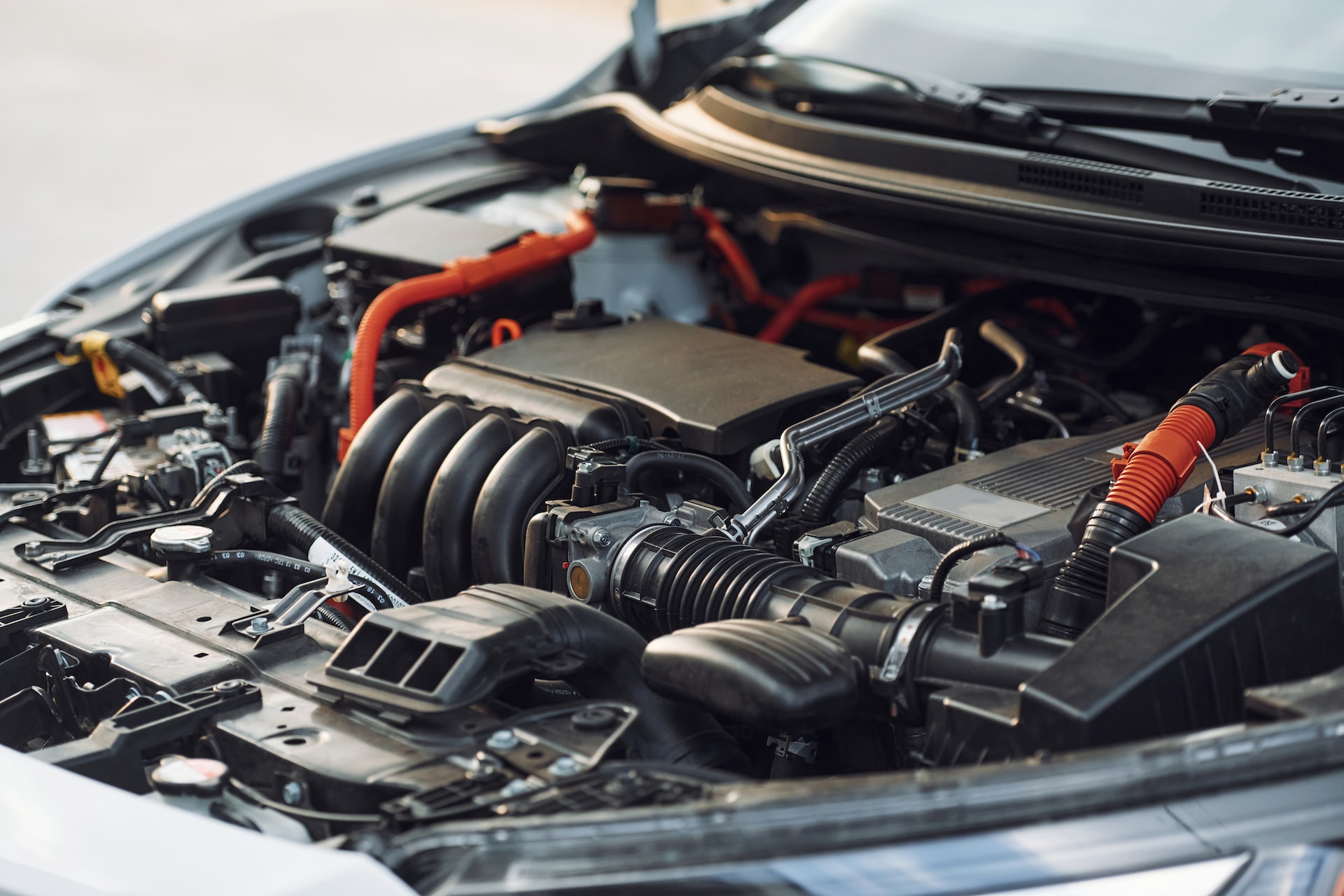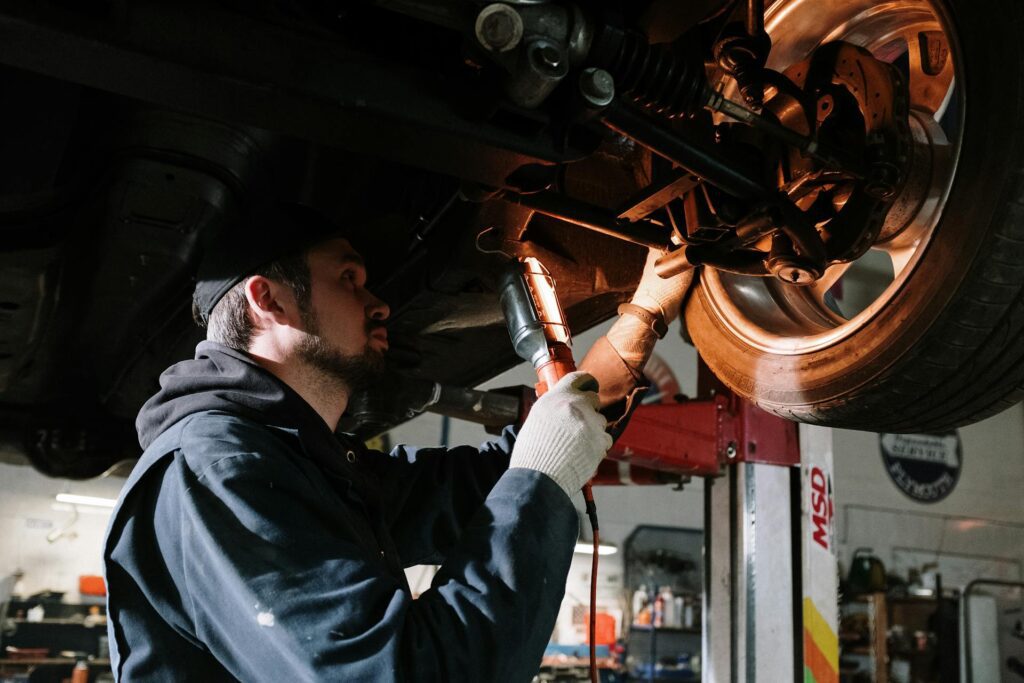
A car tune-up might sound like one of those things you’ll get around to eventually, but putting it off can lead to bigger problems down the road. Think of it like going to the doctor for a check-up. Your vehicle needs that same kind of regular attention to stay healthy. A tune-up isn’t about fixing something that’s already broken. It’s about keeping things running well, catching problems early, and avoiding unexpected breakdowns.
Most drivers notice small changes in how their car feels or sounds but don’t always connect them to maintenance needs. Maybe your car doesn’t speed up like it used to, or you’re going through gas faster than you remember. These little clues can tell you it’s time for a tune-up. Paying attention to the signs can help save you time, stress, and money in the long run.
Decreased Fuel Efficiency
If you’re filling up more often than usual, your car may be trying to tell you something. A dip in fuel efficiency is one of the earliest and clearest signs that your car could use a tune-up. It doesn’t mean your car is falling apart, but it does mean some parts might not be doing their job.
Here’s what could be hurting your gas mileage:
– Dirty or clogged air filters
– Old or worn-out spark plugs
– Malfunctioning oxygen sensors
– Build-up on fuel injectors
– Incorrect tire pressure or dragging brakes
Each of these things forces your engine to work harder than it should. As a result, your car burns more fuel just to keep up. That means shorter trips between fill-ups and more money spent at the gas pump.
A professional tune-up gets to the root of the problem. Replacing worn spark plugs or cleaning fuel components, for example, can bring your miles per gallon back to normal. You may not notice it right away, but the difference adds up over time. Regular maintenance helps you make sure your engine is breathing properly, firing efficiently, and using fuel the way it should.
Rough Idling Or Stalling
Does your engine feel shaky when you’re stopped at a red light? Or worse, does it stall out without warning? These signs are more than just annoying. They’re signals that your engine isn’t running as smoothly as it should.
Cars that are overdue for a tune-up often show these symptoms because some part of the ignition or fuel system is acting up. A few possible reasons behind rough idling or stalling include:
– Faulty spark plugs not firing correctly
– Dirty fuel injectors delivering uneven amounts of fuel
– A clogged fuel filter restricting flow
– Timing issues with the ignition system
When one or more of these parts starts to falter, the engine can misfire or struggle to maintain a steady rhythm. This makes your car feel unstable when stopped or can cause it to cut out while driving slowly. It’s not just inconvenient. It can also be risky, especially during busy traffic or at intersections.
A full tune-up can catch these issues early before they get worse. It brings everything back into sync so your engine can run the way it’s supposed to. That smooth, steady hum you used to hear? A tune-up is what helps bring it back.
Unusual Noises Or Vibrations
Strange sounds or vibrations coming from your car while you’re driving can be hard to ignore. These little annoyances often start out small but usually point to something bigger under the hood. Whether it’s a rattle when you accelerate or a shaking steering wheel when you’re at a stop, these are signals that something is off.
The source of the problem can vary, but here are a few common culprits:
– Loose or worn engine belts
– Failing spark plugs causing misfires
– Broken motor mounts making the engine vibrate
– Problems in the exhaust system
– Worn or cracked vacuum hoses
Odd noises like knocking, pinging, or hissing are never normal. Vibrations can also spread through the floorboards, seat, or steering wheel. They’re often linked to issues that a tune-up can catch and correct before they turn into more expensive repairs.
If your car feels different than usual when driving or stopping, trust your gut. Persistent noise or movement usually means your vehicle is overdue for some maintenance. Replacing worn parts and realigning key engine components during a tune-up can bring back that quiet, steady ride you’re used to.
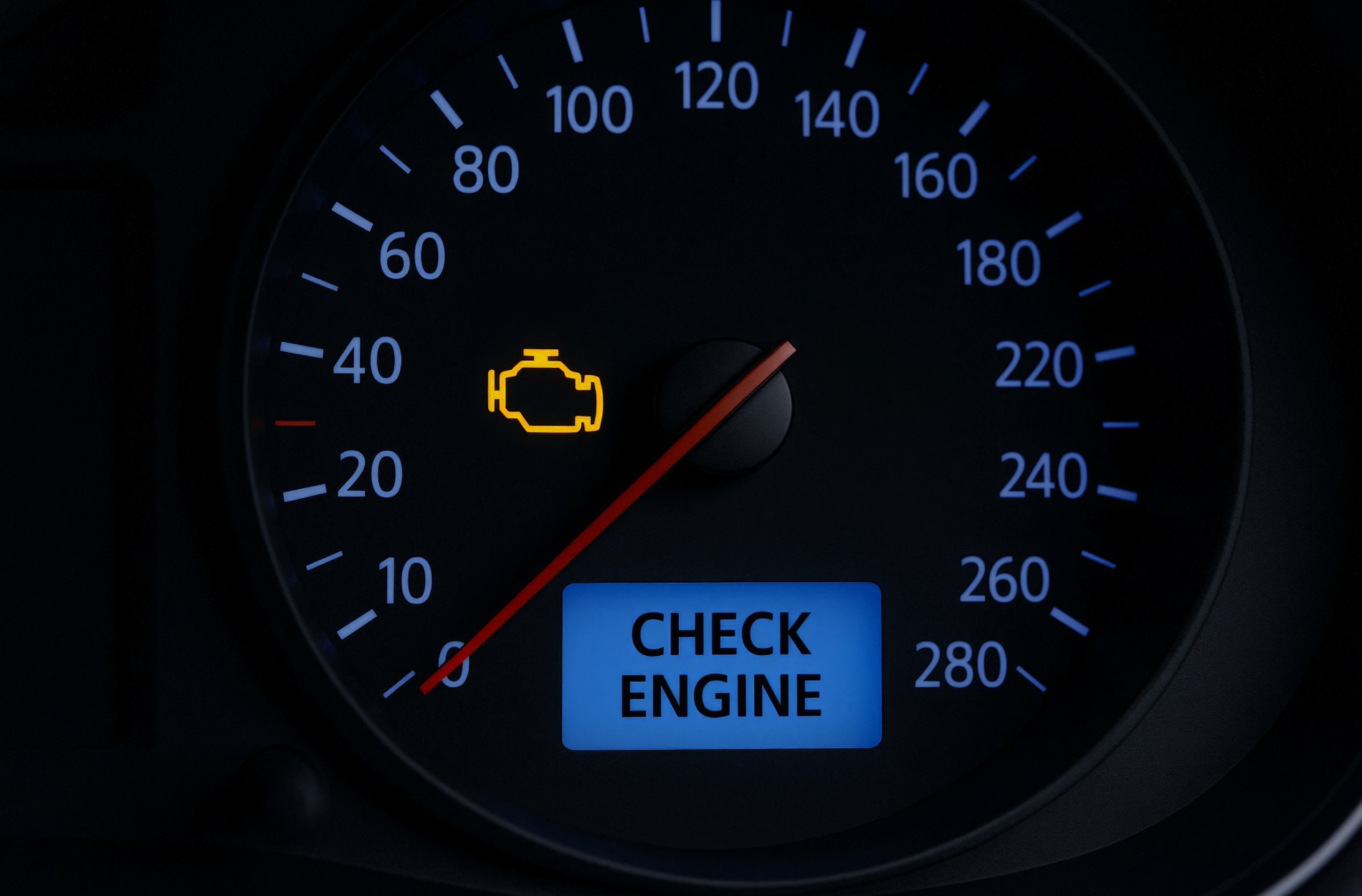
Illuminated Check Engine Light
When the check engine light comes on, it can feel like a mystery. Sometimes it’s a simple fix. Other times, it’s your vehicle asking for help before something serious occurs. This warning light doesn’t give details by itself, which is why ignoring it is never a good idea.
Here’s what might trigger that little orange light:
– Damaged or unplugged oxygen sensor
– Problems with the catalytic converter
– Misfiring spark plugs or coils
– Loose gas cap throwing off pressure readings
– Emissions systems failing to run correctly
It may be tempting to assume everything is okay if the car seems to drive fine, but under the surface, one or more systems may not be working the way they should. Driving for too long without figuring it out could lead to more issues later. A diagnostic scan during a tune-up can find the exact cause and get it taken care of fast.
Even something as small as a loose wire or a faulty sensor can affect other systems if left alone. The check engine light may look harmless, but it’s an early warning that shouldn’t be brushed off.
Poor Acceleration Or Power Loss
When your car feels slow to respond or doesn’t have its usual zip when you hit the gas, there’s a good chance it needs a tune-up. Power loss or sluggish performance can make your drive frustrating and at times even unsafe, especially when merging or passing on the highway.
Here are a few reasons you might be dealing with poor acceleration:
– Dirty or faulty mass airflow sensor
– Clogged fuel injectors
– Bad ignition coils reducing power
– Old or worn timing belts skipping steps
– Fuel system issues blocking pressure delivery
All of these problems slow down the engine’s response and affect how smoothly your car drives. You may find it harder to speed up from a stop or notice your vehicle losing steam as you go uphill. Some drivers describe it as their car feeling heavy or just not pushing forward like it used to.
With a tune-up, these systems can be cleaned, repaired, or replaced as needed. Sensors can send readings correctly again. Fuel can flow like it’s supposed to. When parts are checked and brought up to speed, power usually returns right along with them. That way, you’re not wondering if your car can keep up on your next trip.
Keep Your Car Running Smoothly
Staying ahead of car trouble doesn’t always mean doing major repairs. Often, it’s about paying attention when something feels off and knowing what those little signs might mean. A tune-up is one of the best ways to reset your car’s performance and make sure all its vital systems are in working order.
Whether it’s a weird sound, unexpected jerking, longer stops at the pump, or a temperamental check engine light, your car tends to give you clues before something really goes wrong. Catching those signs early keeps your vehicle running longer and saves you from hassle later down the line.
It’s easy to forget that something as routine as a tune-up can make such a difference. But it really can restore how your vehicle drives and feels. Take time to check in with how your car is performing, especially if you notice changes in the way it handles, sounds, or responds. Consistent care goes a long way toward keeping your drives easy and your trips worry-free.
To keep your vehicle in great shape and ensure a smooth, safe ride, pay attention to the clues it gives you. Don’t wait for small issues to become big problems. Schedule car tune-up services with H&I Automotive and let our experienced team help your car run at its best.