Diesel engines are known for their strength and reliability, especially in trucks and work vehicles. Whether you’re hauling heavy loads or using one for daily driving, a diesel engine plays a big role in how your day goes. But like any other part of your vehicle, it needs the right care. If things start to slip, you may find yourself dealing with strange sounds, loss of power, or worse—unexpected breakdowns. Keeping a diesel engine running right doesn’t just save time, it saves money and stress, too.
Some issues with diesel engines show up slowly. Others pop up fast and catch you off guard. Dirty fuel, clogged filters, or bad injectors are just a few things that can throw off your engine’s performance. If you’re used to that smooth power and solid performance, it’s usually easy to tell when something’s off. The trick is knowing what those signs mean and when they point to bigger problems. Being familiar with common issues can help you avoid damage and keep your diesel engine running strong.
Common Problems With Diesel Engine Performance
When a diesel engine doesn’t feel or sound the same, it doesn’t always mean it’s about to fail, but it’s definitely trying to tell you something. A drop in power, unusual sounds, or extra smoke from the exhaust shouldn’t be ignored. These kinds of problems usually trace back to a few common causes.
One of the main reasons a diesel engine starts acting up is fuel contamination. Diesel fuel can attract water, dirt, or microbial growth when it sits for too long or gets stored in poor conditions. That kind of buildup can clog your filters and wear down fuel system parts. When that happens, you might notice rough idling, hard starts, or sudden stalls. Since diesel engines depend on clean, high-pressure fuel to run well, even a small amount of contamination can lead to bigger issues.
Another area to check is your air filter. Dirty or clogged air filters can mess with the airflow your engine needs to work properly. That means inefficient fuel burning and lower power. If it’s been a while since the air filter was changed, your diesel engine might feel sluggish or use more fuel than usual. It’s a simple part, but it plays a big role in performance.
Bad fuel injectors can also create major problems. These parts are responsible for delivering the right amount of diesel fuel into each cylinder. Over time, injectors get worn down or clogged, especially if the fuel system hasn’t been cleaned. When they stop working right, you may notice things like engine misfires, reduced power, or unusual smells coming from the exhaust. In some cases, leaking fuel injectors can even damage pistons or other internal parts.
Here are a few signs that point to performance issues with your diesel engine:
– Hard starting, especially when the engine is cold
– Excessive smoke from the exhaust (usually black, blue, or white)
– Sudden loss of power while driving or towing
– Poor fuel economy compared to your usual driving habits
– Vibrations or knocking sounds under load
Each of these symptoms could mean that one or more components need attention. If you notice more than one happening at the same time, it’s usually a sign the problem has been building for a while.
Causes Of Diesel Engine Problems
Diesel engines are built to run under pressure and last for thousands of miles, but they still depend on regular upkeep. When maintenance gets skipped or done late, small issues begin to pile up. Most of the time, the root cause of diesel engine trouble starts with neglect or bad fuel.
One issue that often flies under the radar is poor fuel quality. Diesel can go bad if it sits for too long or if it’s stored in containers that aren’t sealed tight. Bad fuel doesn’t just lower performance, it can leave behind sludge that clogs filters and damages sensitive components. Even filling up at an unfamiliar pump can sometimes introduce water or dirt into your tank. That’s an easy problem to avoid once you recognize where the risk comes from.
Environmental conditions can also hit diesel engines harder than some folks expect. Extreme heat can raise fuel temperatures, making it less dense and harder to burn. On the flip side, cold weather can thicken diesel fuel and lead to poor circulation or starting trouble. Either way, when the engine can’t get clean, steady fuel flow, it has to work harder. Over time, that extra strain wears down parts that are already handling a tough job.
Skipping regular checks is one of the most common causes of diesel problems. Ignoring filter changes, overdue oil services, or parts like glow plugs gives engine wear a head start. It might take months before you notice the effects, but by then the damage has a longer repair list. Think of it like skipping sleep or water. Eventually, something gives out.
Taking a preventative approach helps minimize surprise breakdowns. The goal isn’t waiting until something breaks. It’s spotting small changes early, so you don’t end up stuck or needing parts that could’ve been saved.
How To Identify Diesel Engine Issues
Spotting diesel engine problems early can save you from bigger headaches down the road. While some signs show up during normal driving, a quick visual check now and then can also point out trouble. The more familiar you are with your engine, the easier it is to pick up on what seems off.
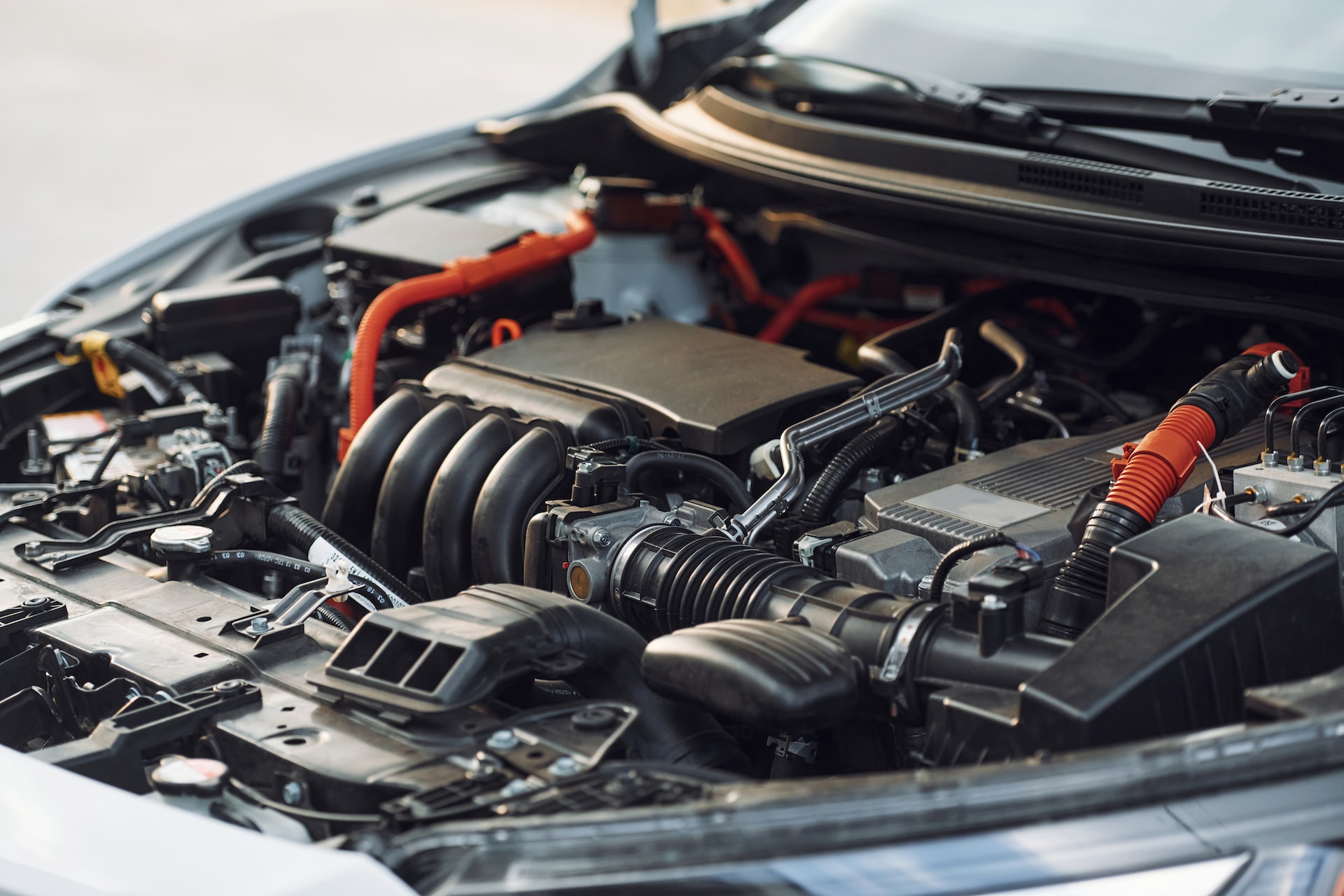
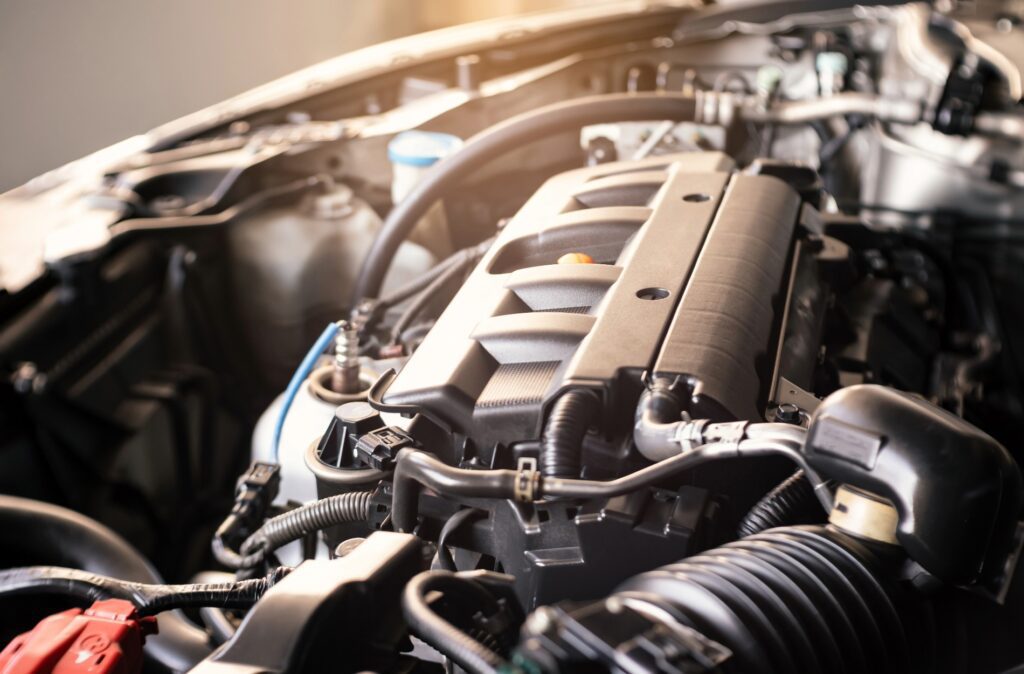
Start by checking for visible leaks or stains under the engine. Oil or fuel spots could mean something’s cracked or loose, and catching it early can help avoid damage to other parts. Look over the hoses and filters too. If anything looks overly dirty, collapsed, or cracked, that’s worth a closer look. Even something like excessive grime or buildup around the fuel system might signal a slow leak.
Your ears and nose can also help. Unusual knocking, ticking, or popping sounds aren’t normal. If you hear them, the issue could be deep inside the engine or with the exhaust system. Cloudy or strongly colored smoke is another red flag. Diesel engines usually let off a small amount of gray or black smoke during heavy use, but thick, white, or blue smoke might mean unburned fuel, coolant loss, or oil leaks.
Some warning signs show up slowly during regular use. Watch for:
– Slow or rough starts, especially after sitting overnight
– Decreased power or acceleration during fuel-heavy tasks
– More frequent stalls or misfires
– Unusual smells, like burning oil or raw fuel
– Dashboard lights that flicker or stay on
If you notice any of these, it’s a good time to have the engine looked at. Even small changes in how it runs or sounds could point to a system that’s wearing out. Don’t wait for a full breakdown before addressing it. A regular checkup can uncover issues that are only just starting and prevent them from turning into full repairs.
When To Consider Diesel Engine Repair
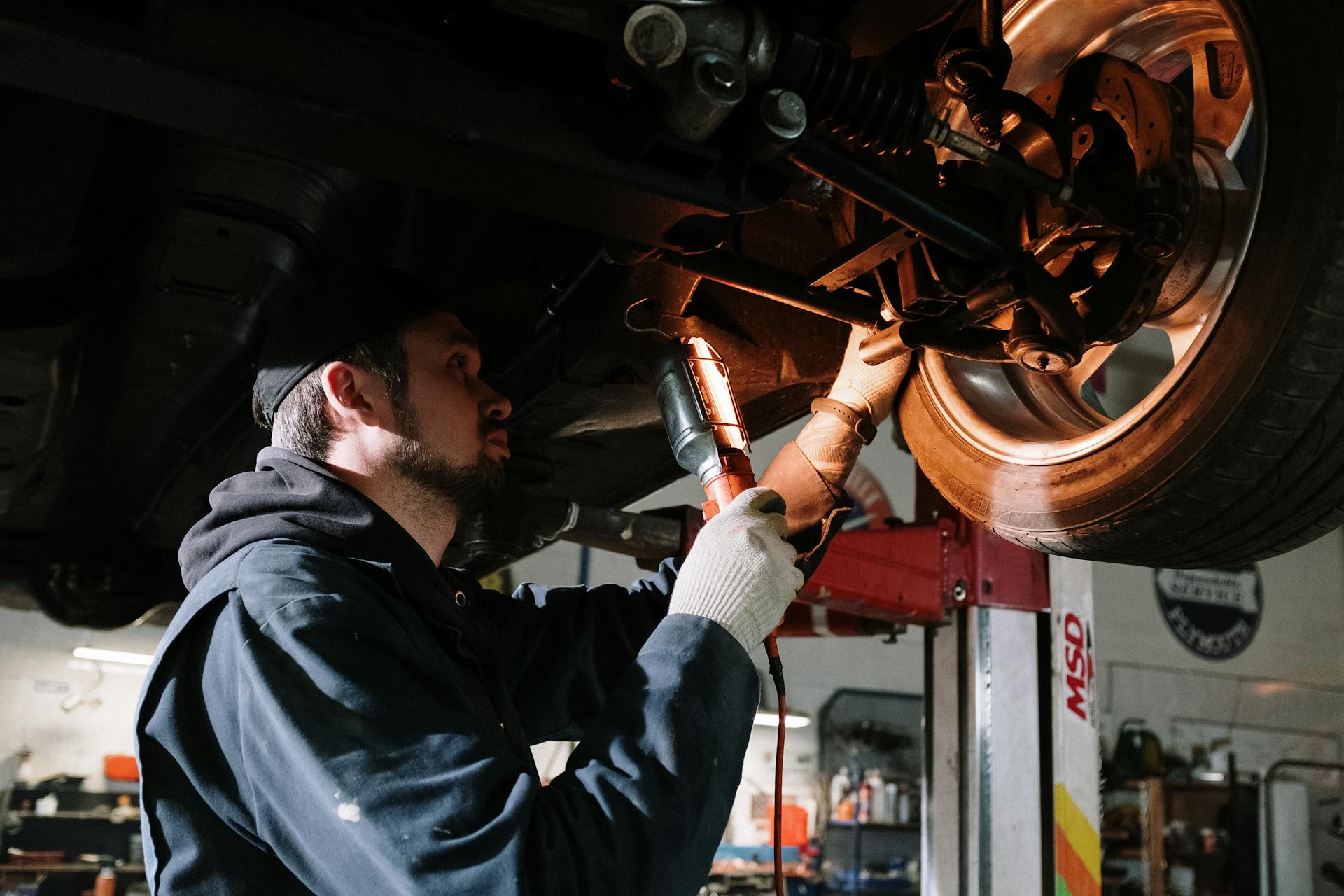
There comes a point where quick fixes aren’t enough. That’s when it’s time to get professional help before things go too far. It’s easier and less expensive to take care of something early than to deal with engine failure later.
So, how do you know when you’ve reached that point? You don’t have to wait until the engine stops running entirely. There are a few clear signs that need close attention:
– Consistent drop in fuel economy across multiple fill-ups
– Loss of power that doesn’t go away after new filters or fluid changes
– Smoke that changes color or gets heavier over time
– Knocking or grinding sounds that return even after basic servicing
– Repeated dashboard warning lights that reset but come back
By the time these stack up, the issue might already be growing past what simple maintenance can fix. That’s the kind of situation where professional repair doesn’t just solve the problem, it protects the rest of the engine.
Taking your vehicle to someone familiar with diesel systems makes a big difference. They’ll have tools to detect issues deep inside the engine, ones you might never notice from outside. That includes problems with fuel compression, exhaust pressure, and timing. Fixing these early can extend the life of your engine and help avoid repairs to related parts like the transmission or fuel pump.
Keeping Your Diesel Engine Running Smoothly
You can’t always control the fuel or weather, but you can stay on top of maintenance and keep an eye open for warning signs. A lot of diesel engine problems come from putting things off or forgetting the smaller checks. Taking the time to listen and look for changes in how the engine runs can save time and money.
It’s kind of like going to yearly checkups. You might feel fine now, but catching something early makes all the difference. The same logic applies to diesel engines. Steady attention helps you spot early wear before it piles up into bigger repairs.
A diesel engine that runs right gives peace of mind. It performs better, uses fuel smarter, and isn’t going to surprise you with sudden issues. Whether you drive a truck for work or for your weekend getaway, staying ahead of problems improves reliability and cuts down on the unexpected. Keep your engine strong by making maintenance a regular habit.
Maintaining and addressing issues with your diesel engine at the right time ensures it runs smoothly and efficiently. If you’re experiencing any symptoms of engine trouble or want to get ahead of potential problems, consider scheduling a diesel engine repair with H&I Automotive. Our skilled technicians are ready to help you keep your engine in top shape and extend its lifespan. Reach out to schedule a service and secure your vehicle’s reliability on the road.